
Why the lipid profile matters for the health of your cardiovascular system
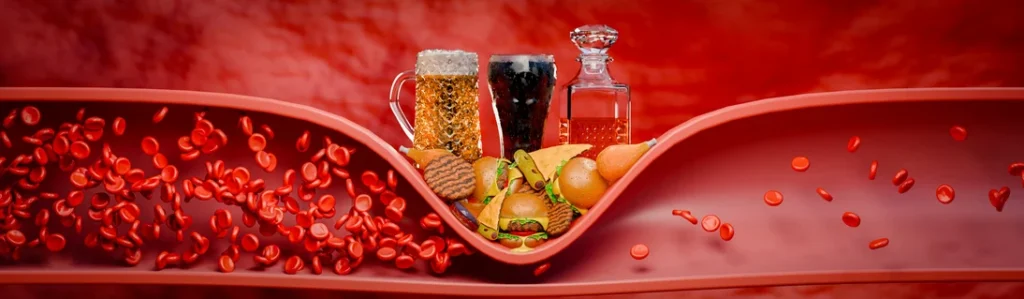
Cardiovascular diseases (CVD) remain one of the leading causes of illness and death worldwide. Assessing CVD risk is essential for both prevention and treatment, and the lipid profile is a key tool in this assessment. The lipid profile includes tests that measure various lipids in the blood, above all cholesterol and triglycerides.
Cholesterol is essential for making cell membranes, certain hormones and vitamin D. In the blood, it is bound to proteins, the so-called lipoproteins. Triglycerides store unused calories and provide energy between meals. However, high levels of cholesterol and triglycerides can contribute to the development of atherosclerosis, which leads to an increased risk of cardiovascular disease.
Key components of the lipid profile
- Total cholesterol. This measures the total amount of cholesterol in the blood; the recommended values are below 5.2 mmol/L. A high total cholesterol level can signal an increased risk of cardiovascular disease.
- LDL (low-density lipoprotein). Also known as “bad cholesterol”, it carries cholesterol to the cells and, when levels are too high, can cause fatty deposits to form on the walls of blood vessels (atherosclerosis) and, as a result, narrowing of the arteries. The optimal LDL cholesterol level is below 3.4 mmol/L, with personalised targets in individual cases. A raised LDL cholesterol level increases the risk of coronary artery disease and stroke.
- HDL (high-density lipoprotein). Also known as “good cholesterol”, it helps to remove cholesterol from the arteries and carry it to the liver, lowering its level in the blood. The recommended HDL cholesterol level is above 1.6 mmol/L. A low HDL cholesterol level is associated with an increased risk of cardiovascular disease.
- Triglycerides. These are fats present in the bloodstream and stored in fatty tissue. The recommended triglyceride levels are below 1.7 mmol/L. A high triglyceride level is associated with an increased risk of pancreatitis and cardiovascular disease.
- Non-HDL cholesterol. This is calculated by subtracting HDL cholesterol from total cholesterol; it includes all types of “bad” cholesterol and is a useful marker of overall cardiovascular risk.

Further assessment of cardiovascular risk
Measuring the levels of apolipoprotein A (apoA) and apolipoprotein B (apoB) can give a more detailed picture of cardiovascular risk. High apoA levels are protective, while high apoB levels point to a higher risk of atherosclerosis.
- Apolipoprotein A (apoA) is the main component of HDL cholesterol. Its main form, apoA-I, supports reverse cholesterol transport, in which cholesterol from tissues and artery walls is returned to the liver to be excreted. This process protects against atherosclerosis, thus reducing the risk of cardiovascular disease.
- Apolipoprotein B (apoB) is the main structural component of LDL cholesterol and other atherogenic lipoproteins. Each LDL particle carries one apoB molecule, which makes apoB a direct indicator of the number of atherogenic particles in the blood. High apoB levels are associated with a higher risk of deposits forming in the arteries, which can lead to cardiovascular diseases such as coronary heart disease and stroke.
How can you influence your blood lipid levels?
- Diet. Eating saturated and trans fats can raise LDL cholesterol levels. A diet rich in fibre, fruit, vegetables and healthy fats can help to lower cholesterol levels.
- Physical activity. Regular exercise can raise HDL levels and help to lower LDL and triglycerides. Adults are advised to do 150–300 minutes of moderate-intensity exercise or 75–150 minutes of vigorous-intensity exercise a week.
- Body weight. Obesity is associated with higher LDL and triglyceride levels and lower HDL levels.
- Genetics. Genetic factors can make some people more prone to abnormal lipid levels.
- Smoking. Smoking lowers HDL levels and damages the blood vessels.
- Alcohol consumption. Excessive alcohol consumption is associated with a build-up of triglycerides and cholesterol in the liver.
Conclusion
Lipid profile testing plays a key role in assessing cardiovascular health. Regular monitoring of the lipid profile makes it possible to detect abnormalities early, to use appropriate treatment strategies and to adjust your lifestyle in order to reduce the risk of heart disease and improve your general health. For comprehensive care of your cardiovascular health, have a lipid profile test at Sante Laboratorije and take the necessary steps to keep your heart and blood vessels healthy!
