
Crohn’s disease and ulcerative colitis – what you need to know about inflammatory bowel disease
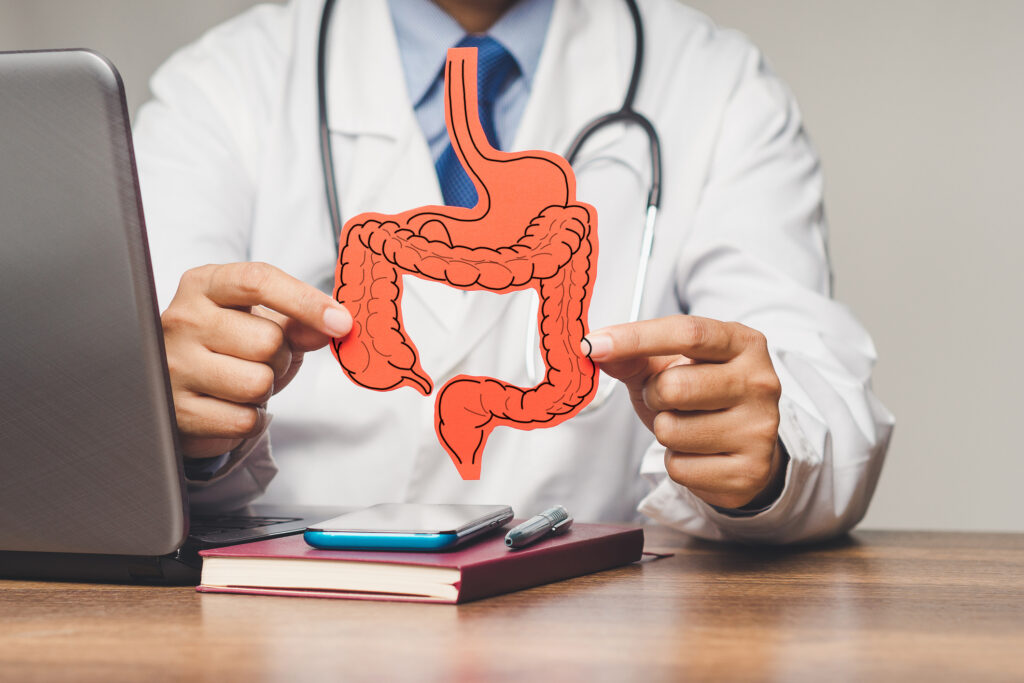
Inflammatory bowel diseases (IBD) are long-term conditions that cause chronic inflammation in the digestive tract. The two main types are Crohn’s disease and ulcerative colitis. Although they share many similarities, they differ in the way they affect the body. IBD can significantly interfere with daily activities and can lead to serious health problems if it is not treated properly.
Types of IBD: understanding the differences
Crohn’s disease can affect any part of the digestive tract – from the mouth to the anus. It most often affects the small intestine. What makes Crohn’s disease unique is that the inflammation can penetrate all the layers of the bowel wall, which can lead to complications such as fistulas (abnormal connections between organs) and strictures (narrowing of the bowel).
Ulcerative colitis is limited to the large intestine and rectum. It causes inflammation and ulcers only in the inner lining of the large intestine, often leading to symptoms such as bloody diarrhoea and abdominal pain.
Indeterminate colitis refers to cases where features of both Crohn’s disease and ulcerative colitis are present, which makes the diagnosis more complex.
How common are these conditions?
IBD affects millions of people worldwide, and the number of cases is rising, especially in urbanised and industrialised areas. Although it can appear at any age, it is most often diagnosed between the ages of 15 and 35. Children and older people can also develop the disease.
Causes of IBD
The exact cause of IBD is not fully understood, but it is believed to result from an inappropriate immune response. The body mistakenly attacks its own intestinal lining, causing ongoing inflammation. Several factors play a role in triggering IBD:
Genetics – a family history of IBD increases the risk, especially if a parent, brother or sister is affected.
Environmental factors – these include a diet rich in processed foods and fats, the use of antibiotics or NSAIDs (non-steroidal anti-inflammatory drugs), and previous infections.
Lifestyle habits – smoking is known to make the condition worse, especially in Crohn’s disease.
Ethnicity – IBD is more common in people of European or Jewish descent, although it can affect anyone.
Recognising the symptoms
The symptoms of Crohn’s disease and ulcerative colitis can range from mild to severe. Most patients have periods of flare-ups followed by periods of remission. Common symptoms include:
frequent cramps or abdominal pain
persistent diarrhoea, sometimes with blood or mucus
rectal bleeding
unintentional weight loss
severe tiredness and low energy
a low-grade fever
anaemia
delayed growth or puberty in children.
Extraintestinal symptoms may also occur, affecting other organs such as the:
joints – joint pain or arthritis
eyes – inflammation or vision problems
skin – rashes or nodular lesions
liver – fatty liver or gallstones
kidneys – kidney stones
What can go wrong without treatment?
Without proper care, IBD can lead to serious complications, such as:
narrowing of the bowel (strictures)
fistulas or abscesses in the bowel (especially in Crohn’s disease)
severe bleeding or perforation
nutritional deficiencies and dehydration
an increased risk of colorectal cancer (mainly in ulcerative colitis)
life-threatening conditions such as toxic megacolon.
How is IBD diagnosed?
A thorough diagnostic work-up is essential. It usually includes:
blood tests – to identify inflammation, anaemia or vitamin deficiencies
stool tests – such as calprotectin, to measure inflammation in the bowel
endoscopy or colonoscopy – to examine the lining of the digestive tract and take biopsy samples
imaging – CT, MRI or ultrasound can show the extent of the disease or hidden complications.
Calprotectin
Large intestine function assessment package
Stool digestion test - examination of three preparations
Faecal occult blood (FOB)
Treatment options and lifestyle management
IBD is a chronic condition, but with the right approach the symptoms can be controlled. Treatment focuses on reducing inflammation, managing symptoms and preventing relapses.
Lifestyle and diet changes – a balanced diet low in irritants, an adequate fluid intake and stopping smoking are key. Each patient may need a different nutritional approach.
Medicines – these may include corticosteroids, immunosuppressants and biological medicines that target specific immune responses.
Surgery – may be needed for complications such as strictures or abscesses, or when medicines no longer work.
Improving quality of life
Although IBD cannot be cured, modern treatments allow most people to live full and active lives. Early diagnosis, personalised treatment plans and regular follow-up by a gastroenterologist are essential. If you notice chronic digestive symptoms, do not delay seeking medical advice. Acting quickly can help to control the disease and reduce the risk of complications.
