
Peptest – a quick and simple test for reflux
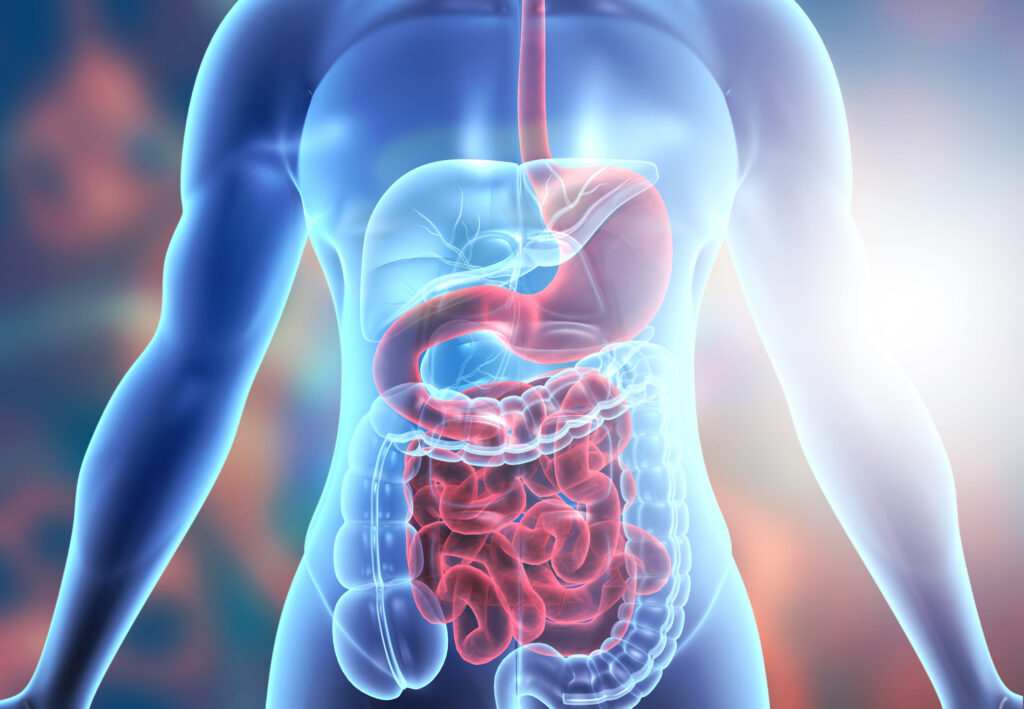
Are you troubled by a persistent cough, hoarseness, a feeling of a lump in your throat or a burning sensation in your chest? These may be symptoms of silent reflux – a condition that often goes unnoticed but can seriously affect quality of life.
Peptest is a non-invasive, quick and reliable test that detects the presence of pepsin in saliva or sputum – an enzyme that comes from the stomach and should not be found in the throat or mouth. Its presence is a clear indicator of reflux.
How is Peptest done?
Peptest is a non-invasive and quick method for detecting pepsin.
The test involves collecting a sample of saliva or sputum. The sample is then analysed for the presence of pepsin.
If pepsin is detected, this indicates that reflux is present.
Why is Peptest used?
- To diagnose gastro-oesophageal reflux disease (GORD) and laryngopharyngeal reflux (LPR) in cases where traditional reflux tests are not suitable or feasible.
- To help identify the cause of symptoms such as heartburn, a chronic cough, hoarseness or difficulty swallowing.
- To distinguish between GORD, LPR and other conditions.

The difference between traditional reflux tests and Peptest
Peptest is considered less invasive and more practical than traditional tests such as an endoscopy of the stomach or measuring the pH of gastric juice.
The sample can be collected at home, at the doctor's surgery or at the laboratory.
Results are available quickly.
Consequences of reflux
The consequences of reflux can be serious:
- Oesophagitis – stomach acid can irritate the lining of the oesophagus, causing it to become inflamed. This inflammation can lead to pain and difficulty swallowing and, in more severe cases, to ulcers or bleeding.
- Oesophageal stricture – chronic inflammation and scarring from oesophagitis can narrow the oesophagus, making it harder for food to pass through. This narrowing, called an oesophageal stricture, can cause pain, difficulty swallowing (dysphagia) and weight loss.
- Barrett's oesophagus – long-term exposure to acid can cause changes in the cells lining the lower part of the oesophagus, so that they come to resemble intestinal cells. This is known as Barrett's oesophagus. Barrett's oesophagus is a precancerous condition, which means that it increases the risk of developing oesophageal cancer.
- Tooth erosion – stomach acid can wear away tooth enamel, leading to tooth decay and sensitivity.
- Hoarseness and a sore throat – reflux can irritate the larynx, causing hoarseness, a sore throat and a feeling of a lump in the throat.
- Asthma – reflux can worsen asthma symptoms or even trigger asthma attacks in some people.
- Sleep problems – heartburn can disturb sleep, leading to tiredness and other health problems.
Conclusion
Reflux, whether gastro-oesophageal (GORD) or laryngopharyngeal (LPR), is a serious and often underestimated health problem that can significantly impair quality of life if it is not diagnosed and treated in time.
Symptoms can be non-specific and range from heartburn to hoarseness and a feeling of a lump in the throat, which makes an accurate diagnosis difficult. Modern diagnostic tools such as Peptest make it possible to detect the presence of pepsin, a key indicator of reflux, quickly, simply and non-invasively, and so speed up the path to effective treatment.
If you have symptoms that may point to reflux, it is important not to ignore your body. A timely diagnosis and appropriate treatment can prevent complications and improve everyday functioning.
Reflux is not just an inconvenience – it is a signal that your body needs attention. Act in time!
