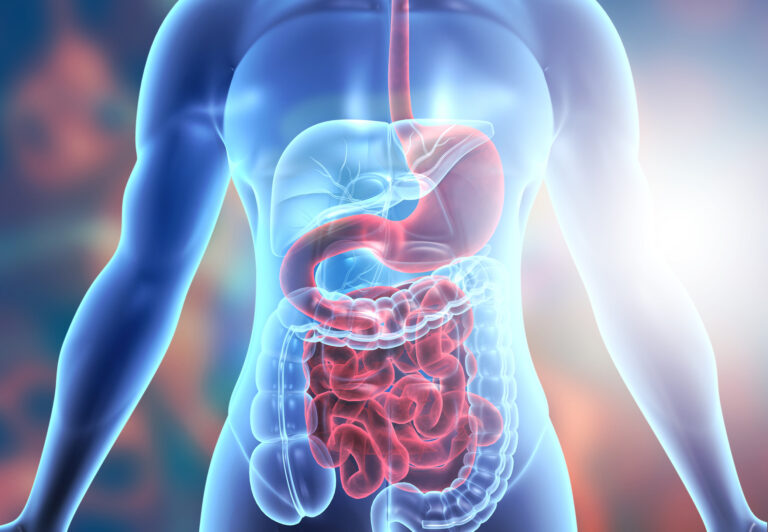
SanBiome is a state-of-the-art test that provides a detailed analysis of your gut microbiome, giving insight into the balance of your gut flora and how it affects digestion, immunity, metabolism and general well-being. It uses advanced metagenomic (shotgun) sequencing and NGS 16S rRNA technologies to assess species diversity, beneficial versus pathogenic bacteria, functional markers (e.g. short-chain fatty acid production, intestinal permeability) and predispositions (e.g. SIBO, gluten sensitivity).
Are you troubled by a persistent cough, hoarseness, a feeling of a lump in your throat or a burning sensation in your chest? These may be symptoms of silent reflux – a condition that often goes unnoticed but can seriously affect quality of life.
Inflammatory bowel diseases (IBD) are long-term conditions that cause chronic inflammation in the digestive tract. The two main types are Crohn’s disease and ulcerative colitis. Although they share many similarities, they differ in the way they affect the body. IBD can significantly interfere with daily activities and can lead to serious health problems if it […]
Tumour markers are special substances that can be found in the blood, urine or tissues of some people with cancer. These markers are not used on their own to diagnose cancer, but they are a significant aid in diagnosis and in monitoring the effect of treatment. By tracking these markers over time, specialists can assess how well treatments are working and detect early signs that the cancer has come back.
Resveratrol is a natural substance with strong antioxidant and anti-inflammatory effects. It has become popular because of its potential benefits for the heart, the brain and the ageing process. It is found in foods such as red grapes, red wine, berries and peanuts.
Magnesium is one of the most important minerals in the body, involved in hundreds of essential biological functions. From keeping muscles and nerves working properly to supporting heart rhythm and bone strength, magnesium plays a vital role in maintaining overall health. Despite its importance, magnesium deficiency is more common than many people think, especially among people with a poor diet or chronic conditions.
Gout is a type of inflammatory arthritis caused by a raised level of uric acid in the blood. When this substance builds up, it can form urate crystals in the joints, which leads to pain. Known since ancient times, gout was once called the 'disease of kings' because of its association with the diet rich in meat and alcohol that kings could afford.
Urinary tract infections (UTIs) are a common health problem that can affect people of all ages. They occur when bacteria or other microorganisms enter the urinary tract, leading to inflammation, pain and discomfort. Urinary tract infections are relatively easy to treat, but leaving them untreated or not following the appropriate treatment can lead to serious complications, including pyelonephritis or even permanent kidney damage.