
Thyroid nodules: causes, symptoms and treatment
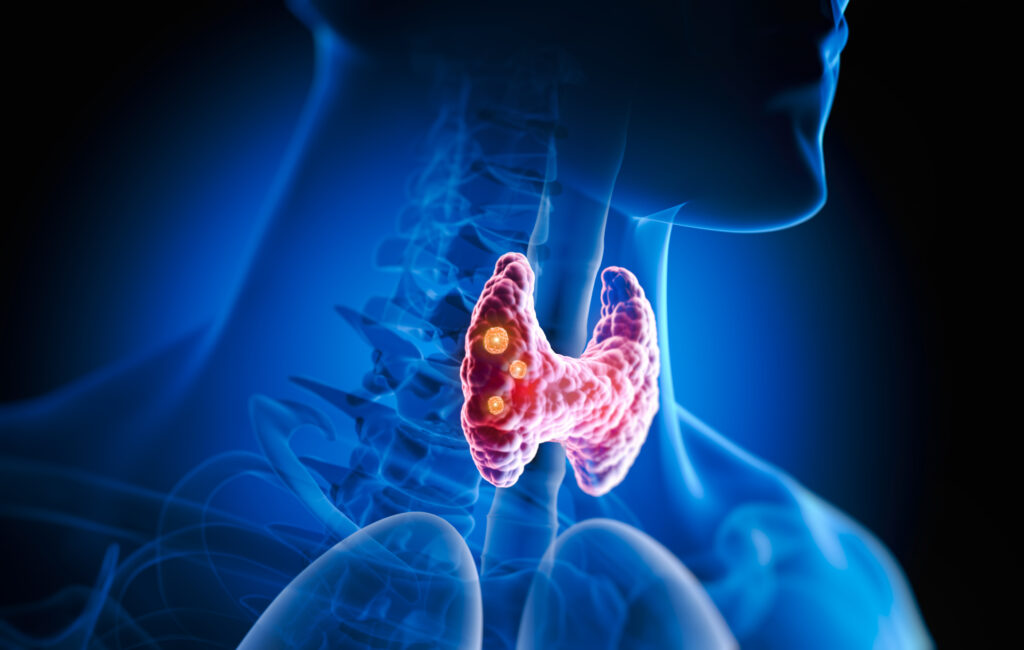
Thyroid nodules are abnormal growths or lumps that form within the thyroid gland, which sits at the base of the neck. This butterfly-shaped gland is key to producing the hormones that regulate metabolism, energy levels and the body's overall physiological balance. Nodules can vary considerably in size, structure and activity, from small nodules that cause no symptoms to large masses that do. Proper diagnosis and management are crucial to determine their nature and deal with any potential health problems.
Frequency and types of thyroid nodules
Thyroid nodules are very common and can occur in as many as 60% of adults during their lifetime. They are more common in older people, becoming significantly more frequent after middle age. In children, however, thyroid nodules are relatively rare. Most of these growths are benign, but a small proportion – around 5% – may be malignant, which requires timely treatment.
Nodules can be classified according to several criteria:
Number:
Solitary nodules: a single nodule within the thyroid gland.
Multiple nodules: these occur in conditions such as multinodular goitre.
Function:
Functioning nodules: these nodules overproduce thyroid hormones, which can lead to hyperthyroidism.
Non-functioning nodules: these nodules do not affect hormone production.
Composition:
Cystic nodules: mostly filled with fluid.
Solid nodules: made up mainly of tissue.
Mixed nodules: contain both fluid and solid parts.

Risk factors for thyroid nodules
Certain factors increase the likelihood of thyroid nodules developing:
Iodine deficiency: iodine is essential for the thyroid to work. A lack of iodine can cause the gland to enlarge and nodules to form.
Chronic inflammation: autoimmune diseases such as Hashimoto's thyroiditis increase the tendency to form nodules.
Genetic predisposition: a family history of thyroid nodules or thyroid cancer increases the risk.
Radiation exposure: radiotherapy or exposure to radiation during childhood significantly increases the likelihood of malignant nodules.
Lifestyle factors: obesity, smoking and raised growth hormone levels are linked with a higher frequency of nodules.

Symptoms and clinical signs
Many thyroid nodules cause no symptoms and are often found by chance during routine medical check-ups or scans. However, nodules that are large or functioning can cause noticeable symptoms, such as:
A lump in the neck: it may be visible or felt during an examination.
Discomfort in the neck: pain at the front of the neck.
Difficulty swallowing or breathing: large nodules can press on nearby structures such as the oesophagus (food pipe) or trachea (windpipe).
Hoarseness: pressure on the recurrent laryngeal nerve can cause changes in the voice.
Symptoms of hyperthyroidism: functioning nodules can cause excess hormone production, leading to palpitations, weight loss, excessive sweating and trembling.
Steps in diagnosing thyroid nodules
An accurate diagnosis is key to establishing the nature of thyroid nodules and the risks associated with them. The assessment usually includes:
Medical history and physical examination: a detailed medical history, including risk factors such as family history and previous radiation exposure, together with a clinical examination of the neck, provides the essential preliminary information.
Blood tests
TSH and thyroid hormones (T3, T4): these tests assess thyroid function and help to establish whether a nodule is overactive.
Thyroid autoantibodies: tests for anti-thyroid peroxidase (anti-TPO) and anti-thyroglobulin antibodies can point to autoimmune thyroid disease.
Calcitonin levels: a marker for medullary thyroid cancer.
Imaging:
Thyroid ultrasound: the gold standard for assessing the size, structure and features of nodules. The ultrasound findings help to decide whether further tests are needed.
Scintigraphy: a nuclear imaging technique that distinguishes functioning (‘hot’) nodules, which are usually benign, from non-functioning (‘cold’) nodules, which may need a biopsy.
Fine-needle aspiration biopsy (FNAB): recommended for nodules with suspicious features on ultrasound. FNAB involves taking a tissue sample to determine whether the nodule is benign or malignant.
Treatment and management of thyroid nodules
Treatment strategies depend on the nature of the nodule, the patient's symptoms and the diagnostic findings:
Observation and monitoring: benign nodules that cause no symptoms are usually monitored with periodic ultrasound scans to pick up any changes in size or structure.
Medicines: functioning nodules that cause hyperthyroidism can be treated with antithyroid medicines to regulate hormone production.
Surgery: nodules that are malignant, cause symptoms or show significant growth may need to be removed surgically. This may involve partial (lobectomy) or total thyroidectomy, depending on the extent of the disease.
Monitoring and caring for thyroid nodules
Thyroid nodules are common, especially in adults, and most of them do not pose a serious health risk. Even so, understanding their causes, recognising the symptoms and having the right assessment done in good time are essential to make sure that any treatment starts promptly. Regular check-ups, with personalised care from a specialist, can deal effectively with any potential complications. Whether the approach is observation, medicines or surgery, the aim is to protect the health of the thyroid and your overall well-being. If you suspect you have a thyroid nodule, or have been diagnosed with one, seeing an endocrinologist is the first step towards comprehensive care.
