
Uric acid and gout: the link between diet, lifestyle and joint health
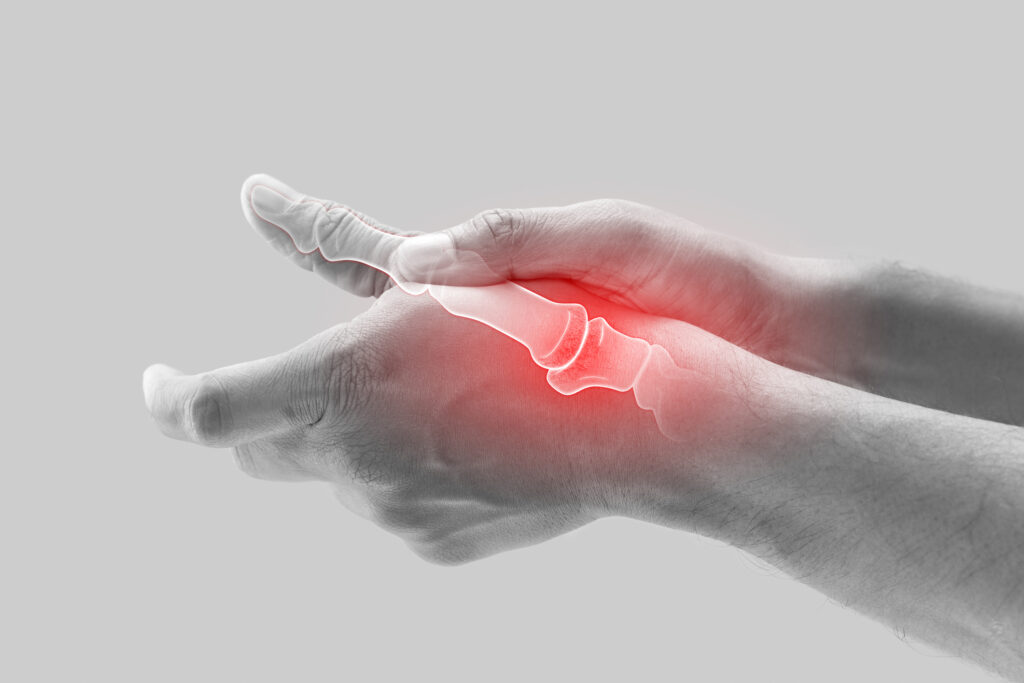
Gout is a type of inflammatory arthritis caused by a raised level of uric acid in the blood. When this substance builds up, it can form urate crystals in the joints, which leads to pain. Known since ancient times, gout was once called the 'disease of kings' because of its association with the diet rich in meat and alcohol that kings could afford.
What is gout?
Gout is a metabolic disorder characterised by an excessive build-up of uric acid in the bloodstream (hyperuricaemia). This can lead to monosodium urate crystals forming in the joints, which causes intense inflammation, swelling and sharp pain.
Key features of gout
- It most often affects the joint of the big toe (a condition known as podagra), but it can also affect the knees, wrists, ankles and elbows.
- It comes in sudden, acute attacks that often start during the night.
- Attacks can last from a few days to several weeks.
Without treatment, gout can develop into chronic arthritis and lead to complications with the kidneys.
What is uric acid and how does it affect the body?
Uric acid is a waste product formed when purines are broken down – natural substances found in the body's cells and in certain foods. The body produces purines as cells are renewed and absorbs them from foods such as red meat, seafood and alcohol. Normally, uric acid is filtered by the kidneys and passed out in the urine.
When the concentration of uric acid in the blood rises, gout may develop, but not everyone with a high uric acid level develops gout. Genetics, kidney function and lifestyle all play a part in determining a person's risk.
Causes of raised uric acid
Raised uric acid can come from various sources, all of which can contribute to gout or kidney stones:
- Genetic predisposition – up to 50% of patients with gout have a family history of it.
- A diet high in purines – eating too much red meat and seafood, and especially drinking beer, can raise uric acid levels.
- Poor kidney function – if the kidneys cannot remove uric acid efficiently, it builds up in the bloodstream.
- Obesity and metabolic syndrome – these conditions increase the production of uric acid and reduce its excretion.
- Related health problems – high blood pressure, type 2 diabetes and chronic kidney disease can increase the risk.
- Certain medicines – thiazide diuretics and low-dose aspirin can raise uric acid.
- Dehydration – not drinking enough water reduces the excretion of uric acid.
- Sweetened drinks – drinks containing fructose can increase the production of uric acid.
Recognising gout
Gout attacks are usually sudden and intense and often start at night. Common signs include:
- severe joint pain, especially in the big toe
- swelling, redness and warmth in the affected area
- a burning sensation and stiffness in the joints
- reduced mobility and difficulty walking.
Over time, untreated gout can cause tophi, visible deposits of urate crystals under the skin, and lead to chronic joint damage.

Diagnosing gout
Diagnosing gout involves:
- Clinical evaluation of the patient – the doctor's assessment of the symptoms and medical history.
- A blood test – a uric acid level above 356 μmol/L in women or 516 μmol/L in men indicates hyperuricaemia.
- 24-hour urine – measures how much uric acid is excreted and helps to identify the risk of stones forming.
- Joint fluid analysis – confirms the diagnosis by detecting urate crystals in the synovial fluid.
- Ultrasound – detects urate deposits and joint inflammation early.
- Imaging (X-ray or MRI) – used to examine joint damage in advanced stages.
Uric acid
Uric acid, 24h urine
Treatment options
The treatment of gout focuses on relieving pain during attacks and keeping uric acid at a safe level to prevent recurrences and complications. Treatment strategies depend on the severity and frequency of the symptoms.
Lifestyle adjustments
Healthy habits are key to controlling gout in the long term:
- Weight loss – losing excess weight lowers uric acid levels and the risk of gout.
- A balanced diet – the Mediterranean and DASH (Dietary Approaches to Stop Hypertension) diets are effective; they emphasise fruit, vegetables, wholegrains, nuts and low-fat dairy products, while keeping red meat and alcohol to a minimum.
- Avoiding purine-rich foods – limit red meat, offal, seafood and sweetened drinks.
- Staying hydrated – drink at least 2 litres of water a day to help flush out uric acid.
- Cutting down on alcohol – beer and spirits can make symptoms worse.
Medicines
If lifestyle changes are not enough, medicines may be prescribed:
- To manage acute attacks:
- NSAIDs (e.g. ibuprofen, naproxen) – reduce pain and inflammation, but must be used with caution in patients with heart or stomach conditions.
- Colchicine – effective against gout flares, but can cause side effects such as nausea and diarrhoea.
- Corticosteroids – used when NSAIDs are not suitable, either by mouth or by injection.
- To lower uric acid levels:
- Xanthine oxidase inhibitors (allopurinol, febuxostat) – reduce the production of uric acid.
- Uricosurics (probenecid) – help the kidneys to eliminate uric acid.
- Biological therapy – for patients with severe gout or gout that does not respond to treatment.
Preventing gout from coming back
Proactive steps can help to prevent future flare-ups:
- routine monitoring of uric acid
- regular blood tests help to monitor how well treatment is working
- healthy habits – a proper diet, good hydration and weight control
- avoiding known triggers – identifying and limiting the foods and drinks that set off attacks
Take care of the health of your joints!
Gout can be controlled with a combination of medicines and lifestyle improvements. Early diagnosis and a commitment to healthy habits can significantly reduce flare-ups and protect your health in the long term.
