The power of resveratrol: natural support for heart health and graceful ageing

Resveratrol is a natural substance with strong antioxidant and anti-inflammatory effects. It has become popular because of its potential benefits for the heart, the brain and the ageing process. It is found in foods such as red grapes, red wine, berries and peanuts. Resveratrol is attracting more and more attention as a natural protector of long-term health. However, while animal and laboratory studies show positive results, research in humans is still developing. Scientists continue to investigate how this compound could help prevent or manage chronic diseases.
What is resveratrol and what does it do?
Resveratrol belongs to a group of plant compounds called polyphenols. As an antioxidant, it protects the body's cells against an imbalance between the formation and removal of free radicals (oxidative stress). Free radicals are unstable molecules that contribute to ageing and to health problems such as heart disease, diabetes and cancer.
In addition to neutralising free radicals, resveratrol also has anti-inflammatory and brain-protecting properties. It appears to activate certain proteins, such as sirtuins, which are believed to support longevity and cell repair.
Food sources of resveratrol
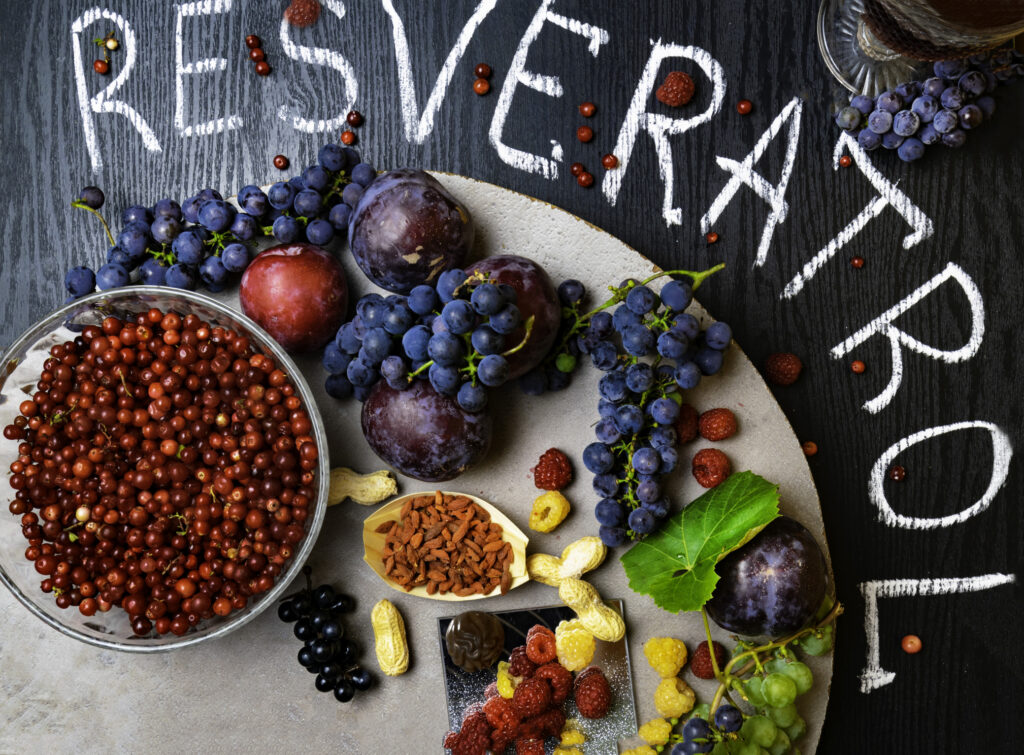
Although supplements are available, getting resveratrol from food may offer more benefits because of the other nutrients in whole foods. The main sources are:
- Red grapes and red wine – grape skins and seeds contain the highest levels. Red wine retains resveratrol, but it should be drunk in moderation.
- Berries – blueberries, cranberries and raspberries in particular are rich in this compound.
- Peanuts – contain resveratrol, especially in their outer shell.
- Dark chocolate and cocoa – also contribute to your daily intake of polyphenols and resveratrol.
How can resveratrol benefit your health?
Supports heart health
Resveratrol may:- Lower ‘bad’ LDL cholesterol and raise ‘good’ HDL cholesterol.
- Help relax blood vessels, lower high blood pressure and improve circulation.
- May slow down ageing
This compound is linked to the activation of proteins associated with longevity. This could explain why a diet rich in polyphenols is often associated with a longer and healthier life. - Helps protect the brain
Resveratrol may reduce inflammation in the brain and slow down oxidative damage. Its potential to reduce the risk of Alzheimer's and Parkinson's disease and to help maintain memory and thinking skills is being studied. - May help regulate blood sugar
By improving the way the body uses insulin, resveratrol may lower blood sugar levels and help protect people from the complications of type 2 diabetes. - Potential role in cancer prevention
Some research suggests that resveratrol may prevent the growth of cancer cells and promote their natural destruction. However, more clinical research is needed. Benefits for muscle health and ageing (sarcopenia)
Sarcopenia is the loss of muscle associated with ageing, which affects strength and mobility. Resveratrol may:- Reduce damage to muscle cells by fighting oxidative stress.
- Promote the repair and regeneration of muscle cells.
- Improve the effects of exercise on strength and endurance.
Superoxide dismutase (SOD)
Glutathione peroxidase
Antioxidant activity (PAOXS)
Oxidised LDL
Should you take resveratrol supplements?
Supplements are available in various forms, such as capsules or liquid extracts. They are generally well tolerated in doses of up to 1 gram a day. However, the body absorbs only a small part of the resveratrol. Taking it with healthy fats (such as olive oil or avocado) may increase absorption.
Caution – resveratrol supplements can interact with some medicines, such as blood thinners. Always consult your doctor before using them.
What does science still need to confirm?
Despite many encouraging findings, there is still not enough solid evidence from human studies to support resveratrol as a treatment for specific health conditions. Nevertheless, its potential for disease prevention and against ageing makes it a promising area for future research.
Conclusion
Resveratrol may help protect your heart, mind and muscles as you age. By adding natural sources such as grapes, berries, peanuts or dark chocolate to your diet, you can support your body's defences and enjoy long-term health benefits.
