
Vitamin B12 – why is it so important?
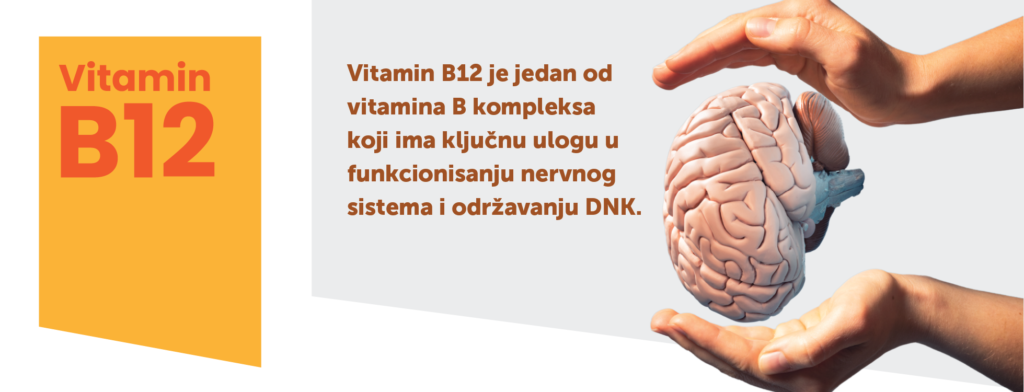
Vitamin B12, also known as cobalamin, is essential for good health. It is needed to make DNA and red blood cells, and for the development and function of the nervous system. It belongs to the group of water-soluble vitamins, so we can take it in large amounts from food and supplements, because any excess is removed from the body by the kidneys.
Our body cannot make it, and we get it only from foods of animal origin or from foods fortified with vitamin B12. This means that people who have chosen a vegetarian diet need to pay particular attention to this vitamin and take it as a supplement. Because absorbing vitamin B12 from food is a very complex process that needs a healthy gastrointestinal tract, people with diseases of the digestive tract, or who have had certain operations on it, are also at risk of developing vitamin B12 deficiency.
The role of vitamin B12 in the body
Vitamin B12 has a significant effect on:
1. the health of the nervous system – it is essential for making myelin, the protective sheath around nerves;
2. energy and vitality – a lack of vitamin B12 leads to anaemia, which leaves us feeling weak and listless;
3. the formation of red blood cells – vitamin B12 is essential for the formation and development of red blood cells, and when it is lacking, megaloblastic anaemia develops;
When to check your vitamin B12 level
It is important to recognise the symptoms that point to a lack of vitamin B12. They can include tiredness, muscle weakness, dizziness, difficulty concentrating, disturbed sleep, and numbness or tingling in the limbs. If you notice these symptoms, if you belong to a risk group such as vegetarians or vegans, or if you have certain health conditions linked to vitamin B12 deficiency, your doctor may suggest checking the level of vitamin B12 in your blood.
The road to health
Health is a precious gift, and vitamin B12 plays a key role in maintaining it. By including healthy sources of vitamin B12 in your diet, such as lean meat, fish, eggs or dairy products, you can protect your health. If you are concerned about your vitamin B12 level, talk to your doctor, who can assess your needs so that together you can decide what is best for you.
