
Liver health: what you need to know about bilirubin
What is bilirubin and how is it formed?
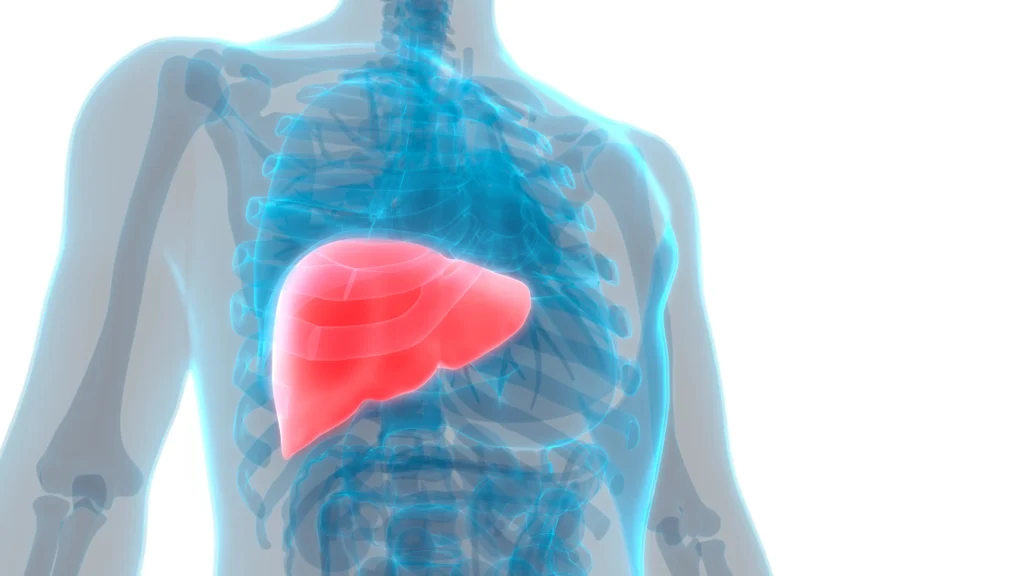
Bilirubin is a yellow-orange pigment formed by the breakdown of haemoglobin, the main component of red blood cells. As red blood cells age and are destroyed, haemoglobin is broken down, and the bilirubin formed is processed by the liver, the organ responsible for eliminating excess or harmful products of metabolism. On average, the body produces about 4 mg/kg of bilirubin a day.
In the liver, the bilirubin formed, which is insoluble in water, is converted into conjugated bilirubin (soluble in water), which is excreted in bile into the intestines, where it undergoes further metabolism. Here, bilirubin is eliminated in the stool, giving it its characteristic brown colour, while a smaller part returns to the circulation and gives urine its colour.
Abnormal bilirubin levels can indicate problems with the liver or gallbladder, or haematological problems, which makes bilirubin testing essential for diagnosis and monitoring.
Types of bilirubin
There are three main types of bilirubin, each with its own clinical significance:
- Total bilirubin – the sum of direct and indirect bilirubin. It serves as a general indicator of the bilirubin level in the body. Raised values (hyperbilirubinaemia) point above all to diseases of the liver and gallbladder.
- Indirect (unconjugated) bilirubin – the initial form of bilirubin before it is processed in the liver. Raised levels are associated with haemolytic anaemia or Gilbert's syndrome.
- Direct (conjugated) bilirubin – the processed form of bilirubin, ready for elimination. Raised levels usually indicate bile obstruction or liver conditions (hepatitis, cirrhosis).
Total bilirubin
Indirect bilirubin
Direct bilirubin
Bilirubin and jaundice
A raised bilirubin concentration causes yellowing of the skin and the whites of the eyes. Measuring the bilirubin fractions is important for telling the types of jaundice apart:
- in unconjugated hyperbilirubinaemia, it is mainly the concentrations of total and indirect bilirubin that are raised, because bilirubin production exceeds the liver's capacity to convert it into conjugated bilirubin, or because the liver itself cannot metabolise bilirubin due to certain diseases.
- in conjugated hyperbilirubinaemia, it is mainly the concentrations of total and direct bilirubin that are raised. This type of hyperbilirubinaemia occurs as a result of liver diseases that prevent the liver from passing conjugated bilirubin into the gallbladder, or because of an obstruction of the bile ducts.

Interpreting the test results
Reference values depend on the reagents, the analyser and the method used for the test. They also depend on age.
Example reference values:
- Total bilirubin: adults: 5–21 µmol/L
Newborns: 0–1 day: 24–149 μmol/L
1–2 days: 58–197 μmol/L
3–5 days: 26–205 μmol/L
- Indirect bilirubin: adults and children < 17.6 μmol/L
- Direct bilirubin: adults and children < 3.4 µmol/L
Causes of raised bilirubin levels
Raised indirect bilirubin:
- Haemolytic anaemia: accelerated destruction of red blood cells.
- Gilbert's syndrome: a benign disorder that affects bilirubin metabolism.
- Chronic liver conditions: cirrhosis, liver failure.
Raised direct bilirubin:
- Bile obstruction: gallstones, tumours or other blockages of the bile ducts.
- Viral or alcoholic hepatitis: inflammation of the liver that affects the excretion of bilirubin.
Low bilirubin levels
These are usually not clinically significant, but may be associated with:
- excessive caffeine intake
- certain medicines
- autoimmune diseases, such as rheumatoid arthritis or lupus.
Symptoms of bilirubin metabolism disorders
- Jaundice: yellowing of the skin and the whites of the eyes
- Dark urine
- Pale or colourless stools
- Persistent tiredness
- Abdominal pain, especially in the liver area
- Nausea and vomiting
How is bilirubin tested?
Bilirubin testing is simple and accessible:
- Blood test: measurement of total, direct and indirect bilirubin.
- Urine test: detection of conjugated bilirubin and urobilinogen as part of urinalysis with sediment analysis.
- Transcutaneous testing: used in newborns to measure bilirubin through the skin.
How to keep bilirubin levels normal
- Eat a balanced diet: include foods rich in antioxidants, such as fruit and vegetables.
- Stay hydrated: water helps eliminate toxins and supports liver function.
- Avoid alcohol and toxins: they can seriously affect liver function.
- Monitor your health: regular tests can detect problems early.
Use medicines as advised by your doctor.
If you take medication that can damage the liver, you need to have the state of your liver checked regularly with blood tests.
Conclusion
Bilirubin is a vital indicator of the health of the liver and of the metabolic processes in it. Careful monitoring of its levels is essential for early diagnosis and for preventing serious conditions.
