
Colorectal cancer – a guide to prevention, screening and early detection
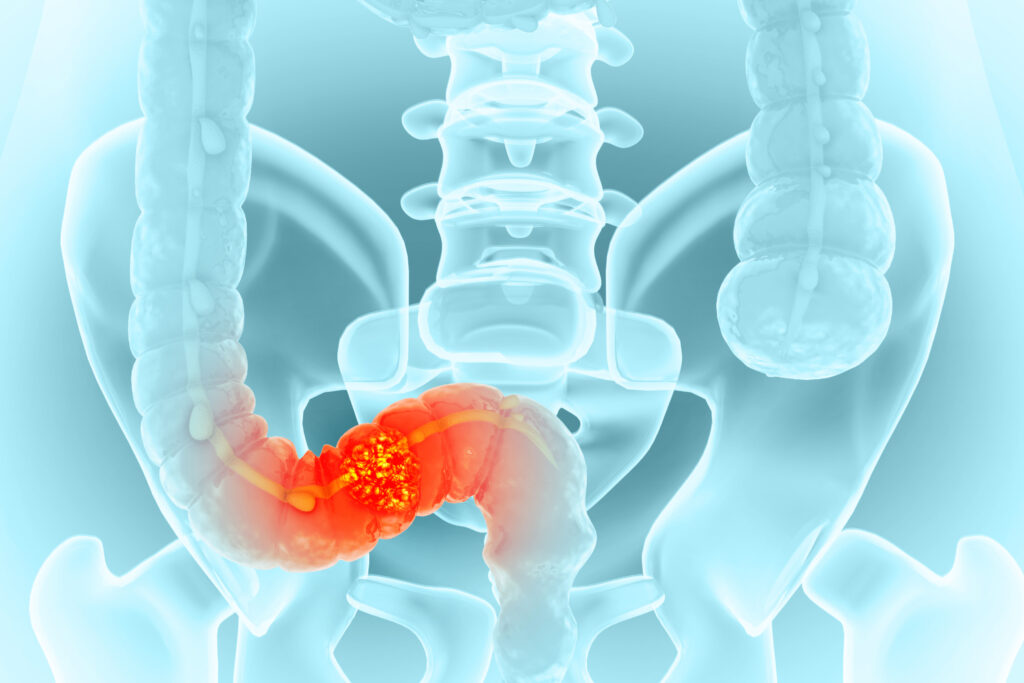
Colorectal cancer is a major health problem worldwide, ranking among the most common types of cancer in men and women. Despite its high prevalence, it is one of the most preventable forms of cancer when it is detected early through routine screening. Understanding the nature of this disease, recognising the associated risk factors and carrying out screening in good time are key steps in reducing its impact on individuals and on public health.
What is colorectal cancer?
Colorectal cancer develops from abnormal cells that grow uncontrollably in the colon or rectum, the parts of the large intestine. These abnormal cells can form a malignant tumour, which often arises from small growths called polyps on the lining of the large intestine. Although not all polyps are cancerous, some have the potential to become malignant over time. Early detection and removal of these polyps can significantly reduce the risk of cancer.
How common is colorectal cancer?
Globally, colorectal cancer is the third most commonly diagnosed type of cancer. It affects men and women almost equally and is most often diagnosed in people over 50. These worrying statistics highlight the importance of preventive measures and regular screening.

Risk factors for colorectal cancer
Various factors, both genetic and lifestyle-related, can increase the risk of developing colorectal cancer. The main risk factors include:
Age: the risk of colorectal cancer rises significantly after the age of 50.
Family history: a family history of colorectal cancer or polyps increases an individual’s risk.
Personal medical history: people who have previously had colorectal cancer or polyps are more likely to develop the disease again.
Genetic disorders: inherited disorders such as familial adenomatous polyposis (FAP) and Lynch syndrome significantly increase the risk.
Inflammatory bowel disease: chronic conditions such as Crohn’s disease and ulcerative colitis are associated with a higher incidence of colorectal cancer.
Diet and lifestyle: a diet high in animal fats and low in fibre, smoking, excessive alcohol consumption, obesity and physical inactivity are all associated with an increased risk.

Symptoms of colorectal cancer
One of the challenges in diagnosing colorectal cancer early is that it tends to cause no symptoms in its initial stages. As the disease progresses, however, various signs and symptoms may develop, including:
Changes in bowel habits, such as persistent diarrhoea, constipation or a feeling of incomplete emptying.
Blood in the stool, which may look like dark or red streaks.
Bleeding or discomfort in the rectum.
Abdominal pain, bloating or cramps.
Unexplained weight loss.
Persistent tiredness or weakness.
It is important to note that these symptoms can also be linked to other gastrointestinal disorders. Any persistent or unusual symptom should be assessed by a healthcare professional without delay.
The role of screening in preventing colorectal cancer
Colorectal cancer screening is a key preventive measure that can detect cancer at an early, more easily treatable stage – or even prevent it by identifying precancerous polyps. The general recommendation is to start regular screening at the age of 45 for people at average risk and to continue until the age of 75. For people with higher risk factors, such as a family history of colorectal cancer or a genetic predisposition, screening may be needed earlier and more often.
Common screening methods
Several effective screening options are available for detecting colorectal cancer or its precursors:
Faecal occult blood test: this simple test detects hidden blood in the stool, which may indicate polyps or cancer. Annual testing is recommended for people at average risk.
Stool DNA testing: this advanced test identifies genetic markers and blood in stool samples, offering a more comprehensive analysis.
Flexible sigmoidoscopy: this minimally invasive procedure allows direct visualisation of the rectum and the lower part of the large intestine.
Colonoscopy: widely recognised as the gold standard in colorectal cancer screening, colonoscopy allows the entire large intestine to be examined. It allows polyps to be removed and suspicious lesions to be biopsied. For people at average risk, colonoscopy is usually performed every 10 years.
CT colonography (virtual colonoscopy): a non-invasive imaging technique that provides a detailed view of the large intestine and rectum. This option is suitable for patients who cannot tolerate a conventional colonoscopy.
The benefits of early detection
Colorectal cancer that is detected at an early stage has a much better prognosis than when it is diagnosed later. Early detection also widens the treatment options, often leading to less invasive and more effective treatments. What is more, screening can prevent cancer altogether by identifying and dealing with precancerous polyps before they become malignant.
Lifestyle changes for prevention
Besides screening, adopting a healthy lifestyle can reduce the risk of colorectal cancer. Key preventive measures include:
Eating a balanced diet rich in fruit, vegetables and wholegrains.
Limiting red and processed meat.
Avoiding smoking and excessive alcohol consumption.
Staying physically active and maintaining a healthy body weight.
Take action today!
Colorectal cancer remains a serious threat to health, but it is a disease that can often be prevented and treated effectively with timely intervention. Regular screening and a commitment to healthy lifestyle choices are key steps in reducing the burden of this disease. If you are over 45 or have risk factors for colorectal cancer, talk to your doctor to work out the best screening options for you. Acting early can save lives, including your own.
