
CEA and CA 19-9: key tumour markers in monitoring and treating cancer

Tumour markers are special substances that can be found in the blood, urine or tissues of some people with cancer. These markers are not used on their own to diagnose cancer, but they are a significant aid in diagnosis and in monitoring the effect of treatment. By tracking these markers over time, specialists can assess how well treatments are working and detect early signs that the cancer has come back.
What are CEA and CA 19-9?
CEA (carcinoembryonic antigen) is a protein that is normally produced during fetal development. In healthy adults, its levels are usually very low or undetectable. However, if CEA levels rise, this may be a sign that certain types of cancer are present. It is most often associated with:
colorectal cancer, where it is used to monitor the progression of the disease and the response to treatment
other cancers, such as cancer of the stomach, lung, breast, pancreas, ovary, liver and thyroid.
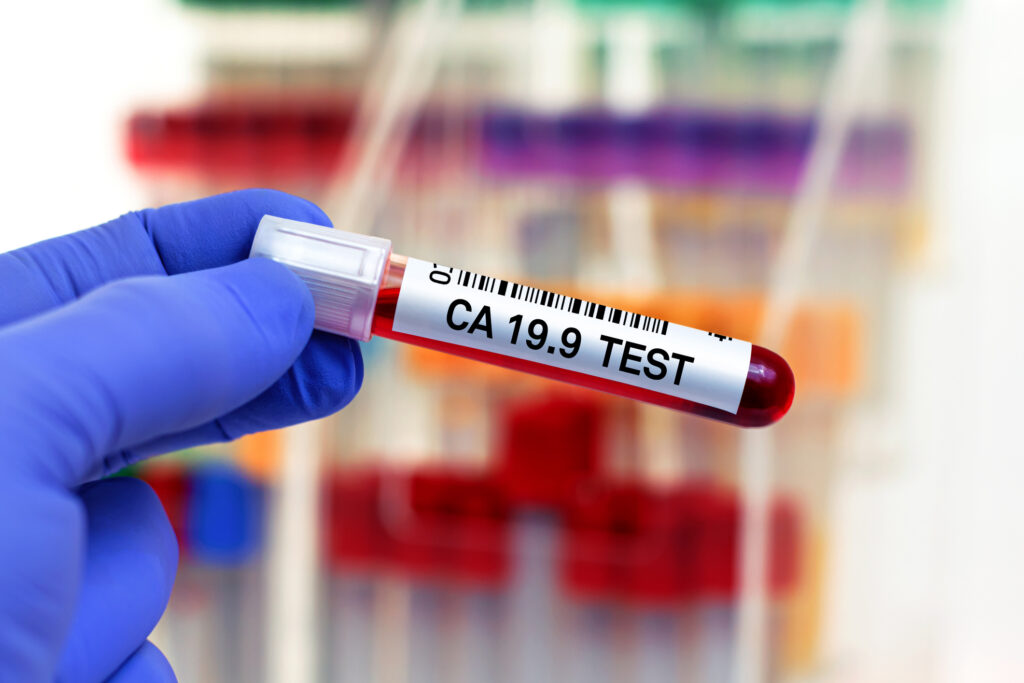
CA 19-9 (carbohydrate antigen 19-9) is another tumour marker that is often associated with the digestive system. It is produced by cells in the pancreas, gallbladder, bile ducts, stomach and large intestine. Higher levels of CA 19-9 can be seen in:
pancreatic cancer, where it is used to monitor the disease
other cancers, such as cancers of the bile ducts, stomach and large intestine, and some gynaecological cancers.
Limitations of CEA and CA 19-9
It is important to know that raised levels of these tumour markers do not always mean that someone has cancer. In fact, several non-cancerous conditions can also cause CEA and CA 19-9 levels to rise. These include:
liver diseases such as cirrhosis or hepatitis
inflammatory diseases such as pancreatitis or inflammatory bowel disease
lung infections and lung diseases
gallstones or a blockage of the bile ducts.
Also, people who smoke may have slightly raised CEA levels even when there is no disease. This is why tumour markers must be interpreted together with other diagnostic tools, such as imaging and biopsy.
When are these tests used?
CEA and CA 19-9 tests are not used to screen healthy people for cancer. Instead, doctors use them mainly for:
Monitoring the progression of known cancers – a steady rise in levels may indicate that the cancer is growing or spreading.
Checking how well treatment is working – a fall in marker levels after chemotherapy, surgery or radiotherapy is often a good sign.
Detecting recurrence – if levels rise again after treatment, this may indicate that the cancer has come back.
CEA (carcinoembryonic antigen)
CA 19-9 (gastrointestinal cancer)
Who should have these tests?
The decision to use tumour markers depends on the individual case. Not all cancers produce these markers, and not every patient will benefit from regular testing. Doctors usually request these tests:
at diagnosis, to see the starting levels of the markers
during treatment, to check how the tumour is responding to therapy
after treatment, during follow-up check-ups, to detect a recurrence early.
It is worth noting that not all patients with cancer will have raised tumour marker levels. Some cancers may not release detectable markers, or the body may not produce enough of them to be detected by tests.
Supporting better cancer treatment
CEA and CA 19-9 are useful tools in cancer treatment, especially when used together with imaging techniques and other laboratory results. They allow more detailed monitoring of the disease and help doctors to make decisions about further treatment. However, these tests must be interpreted by a specialist who can take all aspects of the patient’s condition into account.
By understanding what these tumour markers mean and how they are used, patients can be more involved in their treatment. Regular medical follow-up, good communication with healthcare professionals and a personalised care plan remain essential elements of successful cancer treatment.
