
How to recognise and treat chickenpox
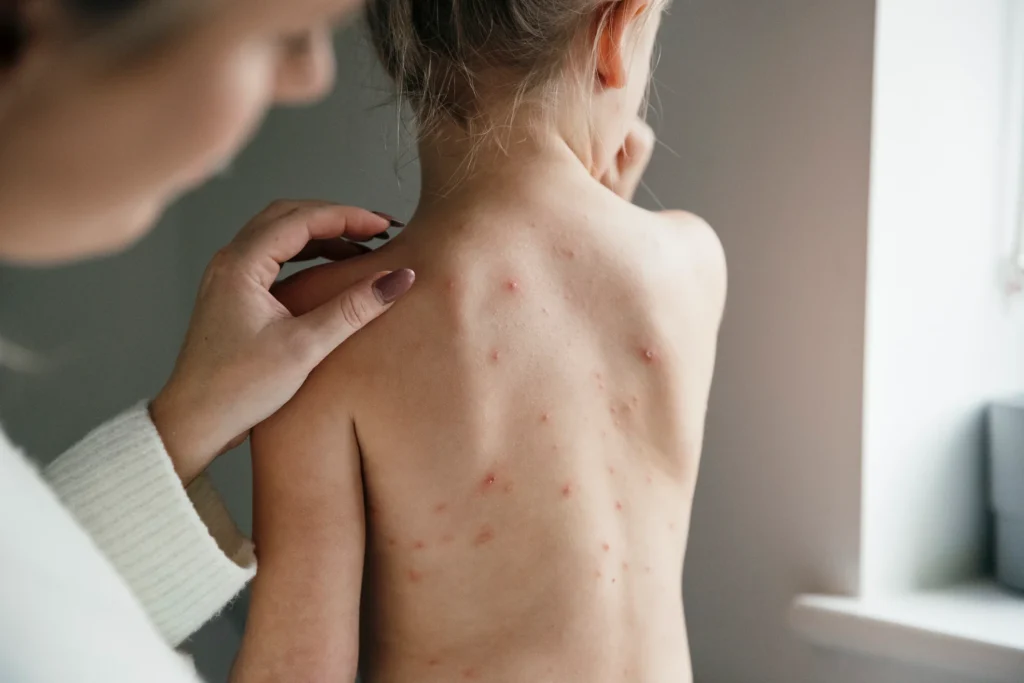
Chickenpox, also known as varicella, is an infectious disease caused by the varicella-zoster virus (VZV). It shows itself as a characteristic skin rash of small, itchy blisters. The disease is highly contagious. Although it often occurs in childhood, chickenpox can also occur in adulthood, when it takes a more severe course than in children.
There is also a vaccine against chickenpox, which is given to people who have not had the disease:
- adolescents (aged 13 and over) and adults who do not have positive antibodies to VZV and are therefore at risk of developing chickenpox;
- high-risk patients, e.g. people with acute leukaemia, people with a chronic disorder, people receiving treatment that lowers their resistance to infection, or people who are due to have an organ transplant;
- people in close contact with chickenpox patients and with high-risk patients
What is chickenpox?
Chickenpox is a viral infection. After you have had chickenpox, the virus stays in the body in a dormant state and can be reactivated as herpes zoster (shingles) if immunity drops.
The disease is characterised by a rash of small, itchy blisters that eventually form scabs. It usually starts on the chest, back and face and gradually spreads over the body. Other symptoms include fever, tiredness, headache and a sore throat.
How is chickenpox spread?
Chickenpox is a highly contagious disease that spreads through the air. The virus spreads through:
- breathing in respiratory droplets that an infected person has released by coughing or sneezing
- direct contact with the fluid from skin blisters
- indirect contact with contaminated surfaces or objects.
A person is contagious from 1–2 days before the rash appears until all the blisters have crusted over, which can take up to 10 days.

How does chickenpox show itself?
Incubation period:
- Chickenpox symptoms usually appear 10–21 days after exposure to the virus, on average after about two weeks.
Early symptoms (prodromal period):
- Mild to moderate fever.
- Tiredness or general weakness.
- Headache.
- Loss of appetite or stomach discomfort
Rash: The rash has three characteristic stages:
- small, raised red spots (macules)
- fluid-filled blisters (vesicles)
- scabs that form after the blisters burst.
These stages can be present on the skin at the same time, and the rash can last 5–7 days.
Risk factors and complications
Risk factors:
- Close contact with infected people.
- A weakened immune system due to chronic illness or immunosuppressive treatment.
Possible complications: Although it is mostly mild, chickenpox can cause serious complications, especially in adults, pregnant women and people with weakened immunity:
- secondary bacterial skin infections
- viral pneumonia
- encephalitis (inflammation of the brain)
In pregnant women, chickenpox in the first trimester can lead to congenital varicella syndrome, causing malformations in the unborn baby. Infection in the last weeks of pregnancy poses a significant risk to the newborn baby.
How is chickenpox diagnosed?
Diagnosis is usually based on the clinical picture and on the presence and appearance of the rash.
Additional tests:
- PCR tests to detect viral DNA in blister fluid or scabs.
- Serological tests to identify antibodies against the virus.
Forms of chickenpox
- Mild form of the disease: minimal symptoms and a limited rash, often in healthy children.
- Severe form of the disease: an extensive rash, high temperature and systemic symptoms (affecting the whole body), more common in adults or in people with weakened immunity.
- Recurrent infections: rare, generally milder and may cause no symptoms.
Treating chickenpox
Chickenpox usually clears up within 10–14 days, and treatment focuses on relieving the symptoms:
- antipyretics: paracetamol to bring down a temperature (avoid aspirin in children)
- antihistamines: to relieve itching
- soothing lotions for irritated skin
- hydration: drinking enough fluids
- rest.
In severe cases or in people at high risk, doctors may recommend:
- antiviral medicines: aciclovir to reduce the severity of the disease.
Isolation:
Infected people should stay in isolation until all the blisters have crusted over.
When should you see a doctor?
- The rash spreads to the eyes.
- The blisters become infected or contain pus.
- Difficulty breathing or a persistent fever.
- Severe symptoms or neurological complications (confusion, drowsiness).
Conclusion
With proper hygiene, vaccination and treatment, the risks associated with this disease can be significantly reduced.
