
Treating digestive disorders: constipation and diarrhoea
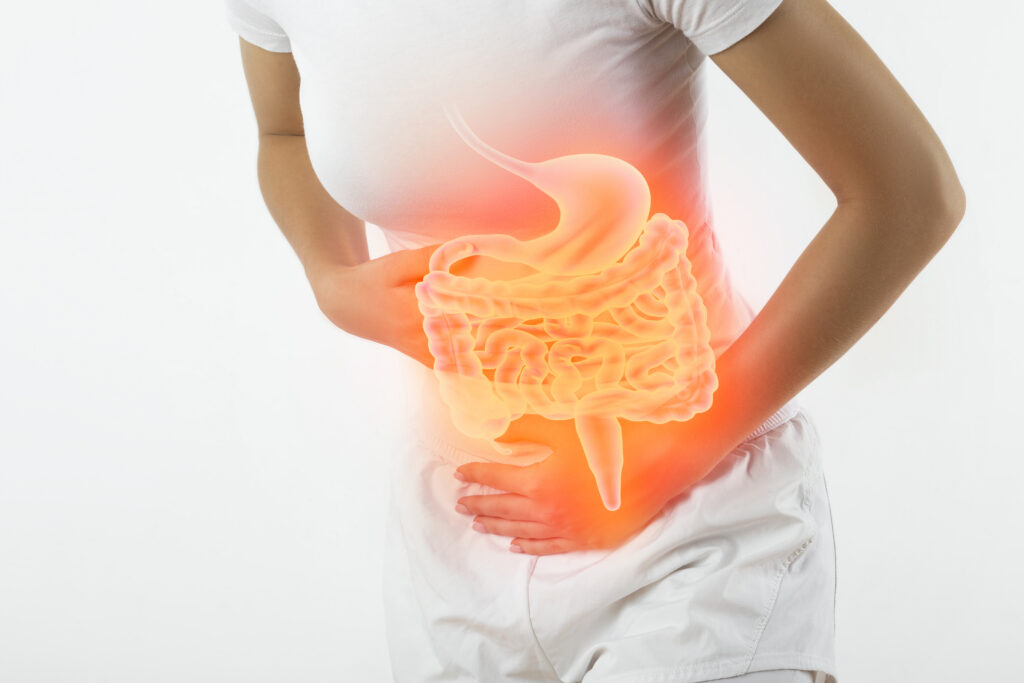
Digestive disorders such as constipation and diarrhoea are among the most common health problems, affecting people of all ages and backgrounds. Although they are often seen as temporary inconveniences, these conditions can sometimes point to serious health problems and significantly affect everyday life. Understanding their causes and symptoms, and knowing which medicines to use, is vital for keeping the digestive tract healthy.
What are constipation and diarrhoea?
Constipation means opening your bowels infrequently, usually fewer than three times a week. It often involves dry, hard stools, straining when passing a stool and a feeling of incomplete emptying. Occasional constipation can be the result of lifestyle and eating habits, while chronic constipation lasts for weeks or months and may signal a bigger health problem.
Diarrhoea, by contrast, is characterised by loose or watery stools that come more often than usual. Acute diarrhoea, often caused by infections or dietary problems, clears up within a few days. Chronic diarrhoea lasts for weeks and may point to conditions such as inflammatory bowel disease (IBD) or food intolerance.
Causes and risk factors
Constipation
Several factors contribute to constipation, and many of them can be dealt with by changing lifestyle habits:
not drinking enough – too little water makes the stool harder, which makes it more difficult to empty the bowels;
a low-fibre diet – a lack of dietary fibre from fruit, vegetables and whole grains reduces the bulk of the stool;
a sedentary lifestyle – regular physical activity helps to stimulate bowel movements, while inactivity slows this process down;
medicines – certain medicines, including opioid painkillers, antidepressants and iron supplements, can cause constipation;
stress – anxiety and stress can disrupt the connection between the gut and the brain, which slows digestion.
Diarrhoea
The causes of diarrhoea range from infections to chronic health conditions:
infections – bacteria, viruses or parasites from contaminated food or water are common culprits;
food sensitivities – lactose intolerance or gluten sensitivity can irritate the digestive tract and lead to diarrhoea;
antibiotics – while treating infections, antibiotics can upset the natural gut flora and cause diarrhoea;
chronic disorders – conditions such as IBS (irritable bowel syndrome), Crohn's disease and ulcerative colitis often lead to repeated episodes of diarrhoea.
Recognising the symptoms
Symptoms of constipation:
straining when opening your bowels;
a feeling of rectal blockage or incomplete emptying;
bloating and discomfort in the abdomen.
Symptoms of diarrhoea:
frequent, loose stools;
cramps or stomach pain;
an urgent need to open your bowels, sometimes with nausea;
severe cases can cause dehydration, leading to tiredness and dizziness.

Treatment
In most cases, simple changes to lifestyle and diet can help to relieve the symptoms.
Treating constipation:
eat more fibre – a diet rich in wholegrain cereals, fruit and vegetables adds bulk to the stool;
stay well hydrated – drinking enough water, usually 1.5–2 litres a day, is key to softer stools;
exercise regularly – activities such as walking or yoga can stimulate the bowels and ease constipation;
limit the use of laxatives – overusing laxatives can make symptoms worse over time, so use them sparingly and on your doctor's advice.
Treating diarrhoea:
rehydration – prevent dehydration by drinking water, herbal teas or oral rehydration solutions;
diet – eat easily digestible foods such as bananas, rice, apple purée and toast;
avoid – spicy or fatty food, or food rich in dairy products, which can make symptoms worse;
use medicines with care – anti-diarrhoeal medicines can help in the short term, but should be used on your doctor's advice.
When should you see a doctor?
Although both constipation and diarrhoea are common, certain symptoms show that you need medical help:
symptoms last longer than two weeks;
severe abdominal pain, fever or rectal bleeding;
unexplained weight loss or noticeable changes in bowel habits;
signs of severe dehydration, such as a rapid heartbeat or confusion.
Take care of your digestive tract!
Digestive disorders such as constipation and diarrhoea can be unpleasant, but they can often be resolved with simple lifestyle changes. Drinking enough fluids, a high-fibre diet and regular physical activity can prevent and relieve symptoms. However, persistent or severe symptoms need a professional assessment to rule out more serious health problems. Proactive care and awareness are key to keeping your digestive system healthy and to improving your overall health.
