
Useful tests by age
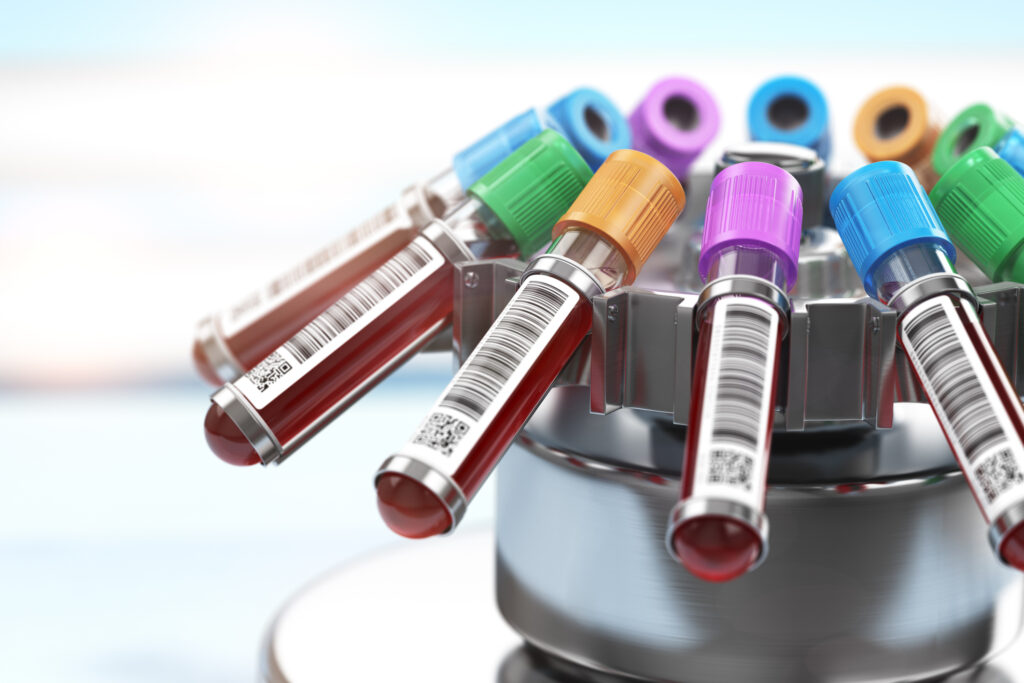
Every stage of life is marked by age-specific physiological changes and by the potential onset of various acute or chronic diseases. As people age, the risk of developing certain diseases increases. In addition, many conditions cause no symptoms at first and can progress without noticeable signs, so that they are diagnosed only after complications appear. This is why periodic health check-ups are essential and should be a priority, whatever your age or current state of health.
The importance of routine tests – when they are recommended
Routine laboratory tests should be done at least once a year, as they give an overview of your general health and help in the early detection of potential diseases or in monitoring conditions that have already been diagnosed and their response to treatment.
What is screening?
Screening involves identifying risk factors or health problems at an early stage, in order to detect disease early or to prevent its more serious forms. Screening tests allow targeted, periodic monitoring and timely healthcare interventions for patients at risk before a disease develops.

How often should tests or screening be carried out?
This depends on several factors, such as age, family medical history, current state of health, any existing chronic disease and the specific health problem being investigated.
Information guide – core recommended tests by age group: children and adolescents (0–18 years)
From birth, children should be followed by a family doctor or paediatrician. Along with monitoring growth and neuropsychomotor development, certain tests may be needed, especially when there are warning symptoms such as loss of appetite, pallor, tiredness, apathy, recurrent infections (of the respiratory or urinary tract), faltering growth, excessive urination or thirst, or diarrhoea.
Routine tests are not usually recommended for babies or young children without such signs. For older children and adolescents, annual check-ups can be carried out to detect diabetes, anaemia, vitamin deficiencies, malnutrition, obesity, congenital diseases and infections.
There are three main types of bilirubin, each with its own clinical significance:
Full blood count
Serum iron
Glucose
Electrolytes
Creatinine, urea
Transaminases (AST, ALT)
Urine tests: physical and chemical urinalysis with sediment analysis, urine culture
Stool test for parasites and protozoa
Throat and nasal swab
25-OH vitamin D
AST (aspartate aminotransferase)
ALT (alanine aminotransferase)
Adults (18–40 years)
Routine tests
Tests for sexually transmitted infections
Cervical cancer screening
Testicular cancer detection
Fertility assessment
Adults (40–50 years)
Routine tests
Cervical cancer screening
Colorectal cancer screening
Breast cancer screening
Ovarian cancer risk assessment
Prostate cancer screening
Adults (50–60 years)
Routine tests
Cardiovascular disease profile
Helicobacter pylori infection testing
Cervical cancer screening
Colorectal cancer screening
Breast cancer screening
Ovarian cancer risk assessment
Prostate cancer screening
Adults over 60
Routine tests
Cardiovascular disease profile
Vitamin B12 status assessment
Cervical cancer screening
Colorectal cancer screening
Breast cancer screening
Ovarian cancer risk assessment
Prostate cancer screening
Vitamin B12

Routine tests
Routine tests, recommended once a year, can detect anaemia, inflammation or infections and provide valuable information about kidney and liver function, as well as glucose and lipid metabolism. These tests give an overview of your general health, and depending on your individual results, your doctor may recommend further tests.
Routine tests may include:
Full blood count
Erythrocyte sedimentation rate
Serum iron
Glucose
Lipid profile
Creatinine, urea, uric acid
Liver enzymes AST, ALT, GGT, ALP
Total and direct bilirubin
Total calcium, sodium, potassium, magnesium, chloride
Total protein
TSH
25-OH vitamin D
Urinalysis with sediment analysis
Erythrocyte sedimentation rate
Glucose
Lipid profile
Creatinine
Total protein in serum
TSH
Urinalysis with sediment analysis
Tests for sexually transmitted infections
Besides sexual contact, sexually transmitted diseases can also be passed on through infected blood (e.g. a transfusion of infected blood or an injury from a contaminated needle) or from mother to child during pregnancy or childbirth. Depending on the patient’s history, symptoms or requests, specific tests may be recommended to detect these infections:
RPR/VDRL, TPHA for syphilis
Chlamydia trachomatis: IgA/IgM/IgG antibodies
Herpes simplex virus (types 1 and 2): IgM/IgG antibodies
HIV testing: anti-HIV 1+2/p24 antigen
Neisseria gonorrhoeae from a swab
Mycoplasma hominis and Ureaplasma urealyticum from a swab
Tests for chronic viral hepatitis:
Hepatitis C: anti-HCV antibodies
Hepatitis B: HBsAg, anti-HBs antibodies, anti-HBc antibodies
RPR / VDRL
TPHA
Cancer screening
Cervical cancer
Pap test (every 3 years from the age of 21)
HPV testing
Testicular cancer (men)
Tumour markers: AFP, beta-hCG, LDH
Colorectal cancer
Faecal occult blood (FOB)
Colonoscopy (from the age of 45)
Breast cancer
Mammography (from the age of 40)
Prostate cancer
PSA, free PSA, index
Faecal occult blood (FOB)
Free PSA
Conclusion
Apparently good health or youth does not rule out the presence of disease. Regular medical check-ups and routine tests are essential at any age, and screening is a vital tool for preventing serious conditions. These tests allow early diagnosis and treatment, increasing the chances of a quick and complete recovery.
