
Thrombophilia: symptoms, diagnosis and treatment
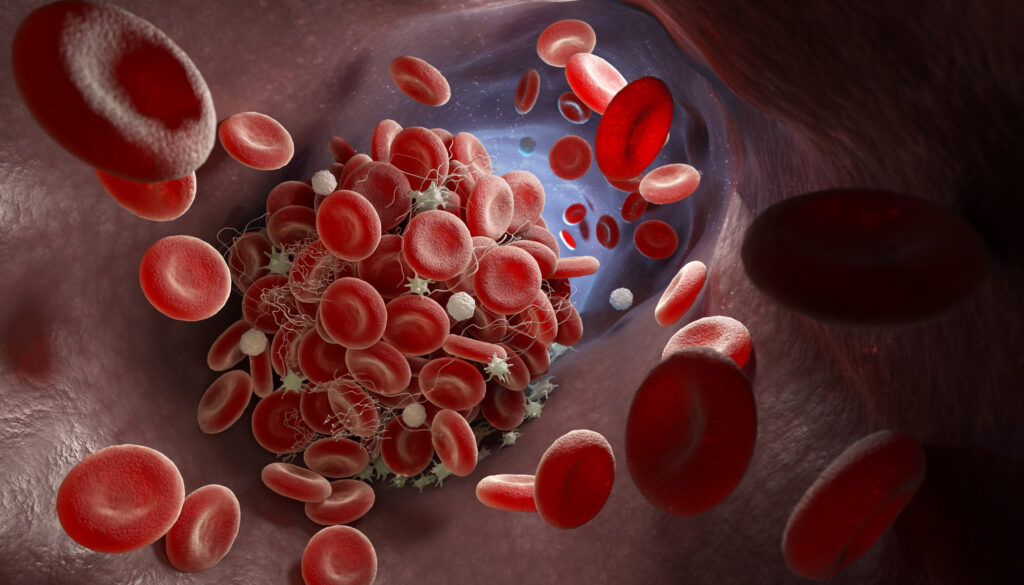
Thrombophilia is a condition in which the blood has an increased tendency to form clots (thrombi). It can be inherited or acquired, and its effects range from minor problems to serious complications such as deep vein thrombosis (DVT) or pulmonary embolism (PE).
Under normal conditions, blood clotting is a process that prevents excessive bleeding after a blood vessel is injured. In people with thrombophilia, however, this process can be overactive, which leads to clots forming without any obvious injury or need.
Types of thrombophilia
There are two main categories of thrombophilia:
- Inherited thrombophilia is caused by genetic mutations that are passed down in families:
- factor V Leiden mutation – causes resistance to activated protein C, increasing the risk of clots forming; it is the most common genetic cause of thrombophilia;
- prothrombin G20210A mutation – leads to a raised level of prothrombin in the blood, promoting excessive clotting;
- antithrombin, protein C and protein S deficiency – these proteins are natural anticoagulants, and a deficiency of them can lead to uncontrolled blood clotting.
- Acquired thrombophilia develops because of external factors or another disease:
- antiphospholipid syndrome (APS) – an autoimmune disorder characterised by the presence of antiphospholipid antibodies, which increase the risk of thrombosis and of complications in pregnancy;
- other causes – smoking, obesity, pregnancy, the use of oral contraceptives or hormone therapy, major surgery and prolonged immobilisation.
Risk factors
Several factors can increase the risk of complications in people with thrombophilia:
- a family history of venous or arterial thrombosis;
- prolonged immobilisation after surgery or an injury, or during long-distance travel;
- pregnancy and the postnatal period, because of hormonal changes that promote blood clotting;
- obesity and a sedentary lifestyle;
- smoking, which harms the health of the blood vessels.
Who should be tested?
Testing for thrombophilia is usually recommended in the following cases:
- patients under 50 years of age who have had an episode of venous thromboembolism (VTE);
- recurrent thrombosis or thrombosis in unusual places (e.g. the mesenteric or cerebral veins);
- a family history of VTE.
Symptoms of thrombophilia
Although thrombophilia itself does not directly cause symptoms, it shows itself through its complications, most often deep vein thrombosis and pulmonary embolism.
- Deep vein thrombosis – pain, swelling, warmth and redness of a limb, usually a leg.
- Pulmonary embolism (PE) – shortness of breath, chest pain, a cough (possibly with blood), a rapid heartbeat and dizziness
If you notice any of these symptoms, you must seek medical help urgently.
In severe cases, clots can travel and affect other organs, leading to a stroke or a heart attack.
Diagnosis
To confirm a diagnosis of thrombophilia, the doctor will:
- review your medical and family history – an assessment of personal and family history of thrombosis
- ask for specific blood tests:
- detection of genetic mutations, such as factor V Leiden or the prothrombin mutation
- measurement of antithrombin, protein C and protein S levels
- testing for antiphospholipid syndrome (anticardiolipin antibodies, lupus anticoagulant).
Antiphospholipid IgG antibodies
Antiphospholipid IgG antibodies
Mutations - MTHFR (C677T, A1298C)
Mutations - MTHFR (C677T, A1298C)
Mutations - MTHFR (C677T, A1298C)
Mutations - factor XIII
Mutations - factor II (prothrombin G20210A)
Mutations - factor V Leiden (G1691A)
Mutations - factor V Leiden (G1691A) and factor II (prothrombin G20210A)
Thrombophilia profile - 14 mutations
Thrombophilia screening profile (lupus anticoagulant, antithrombin III, APCR, protein S, protein C, homocysteine)
Extended profile of genetic risk factors for thrombophilia: mutations - factor V Leiden (G1691A), factor V R2 haplotype (H1299R), factor II (prothrombin G20210A), MTHFR (C677T, A1298C), factor XIII (V34L)
Profile of genetic risk factors for thrombophilia: mutations - factor V Leiden (G1691A), factor II (prothrombin G20210A), MTHFR (C677T, A1298C), factor XIII (V34L), detection of the PAI-1 4G/5G polymorphism (RT-PCR)
Treatment
Treatment depends on the type and severity of the condition, as well as on the patient's overall risk.
- Anticoagulant medicines – these medicines prevent clots from forming or treat existing clots, e.g. heparin, warfarin or direct oral anticoagulants. The length of treatment varies. A single episode of DVT may require medicines for several months, while high-risk patients may need long-term treatment.
- Lifestyle changes – stopping smoking, increasing physical activity to improve blood circulation, and weight management.
- Regular check-ups and advice – people with thrombophilia should have regular check-ups so that their treatment can be adjusted to their individual risks. Women who are planning a pregnancy or using hormonal contraceptives should talk to their doctor about the possible risks.
Thrombophilia and pregnancy
Pregnant women with thrombophilia need special attention, as they have a higher risk of complications such as miscarriage, pre-eclampsia and premature birth. Preventive treatment may include low-molecular-weight heparin (LMWH) or low-dose aspirin under medical supervision.
Conclusion
Thrombophilia is a complex medical condition that can significantly affect health if it is not properly diagnosed and treated. With early diagnosis, preventive measures and appropriate treatment, most people with thrombophilia can lead a normal life.
If you have a family history of thrombosis or have symptoms that may indicate a blood clot, it is important to consult a doctor, who will recommend the next steps to protect your health.
