Health

Health

Iron – sources, daily requirements and importance

Iron is an essential mineral necessary for human health and plays a key role in growth, development and the overall functioning of the body. One of its primary roles is to help produce haemoglobin, the protein in red blood cells (erythrocytes) that carries oxygen throughout the body.

Read more

Health

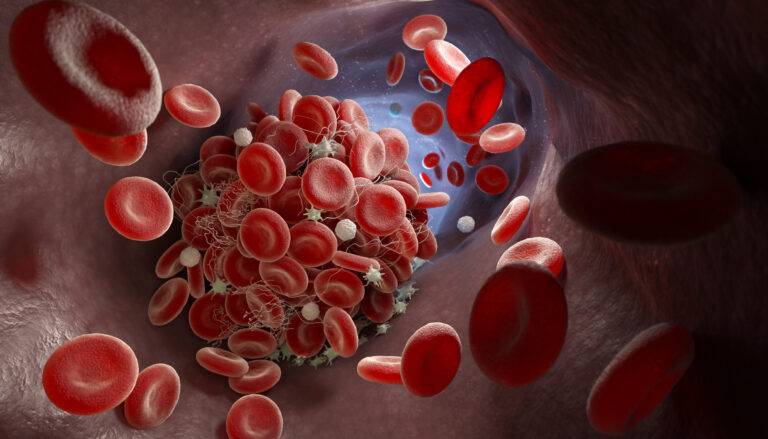
Thrombophilia: symptoms, diagnosis and treatment

Thrombophilia is a condition in which the blood has an increased tendency to form clots (thrombi). It can be inherited or acquired, and its effects range from minor problems to serious complications such as deep vein thrombosis (DVT) or pulmonary embolism (PE).

Read more
Health

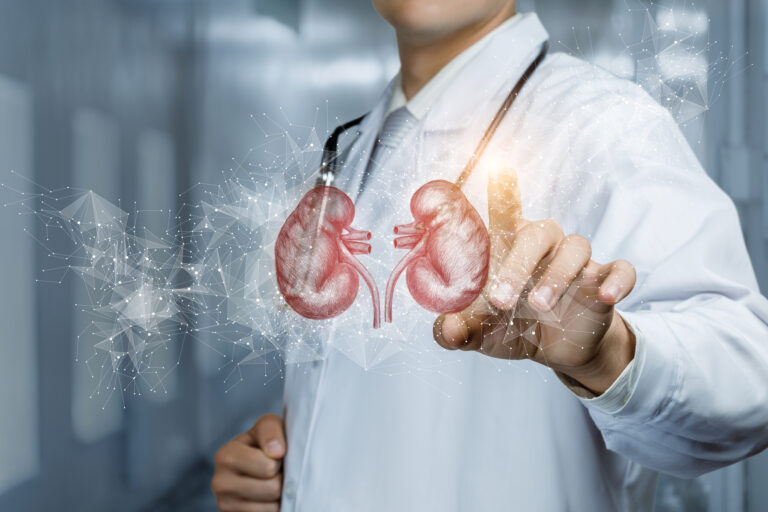
Chronic kidney disease: causes, diagnosis and prevention

Chronic kidney disease (CKD) is a condition that gradually reduces the ability of the kidneys to remove metabolic waste and excess fluid from the bloodstream. It is particularly common in people with diabetes, high blood pressure or a family history of kidney problems. Because symptoms usually appear in the later stages, regular health check-ups and laboratory tests are essential for early detection and treatment.

Read more
Health

The essential role of vitamin A

Vitamin A is one of the most important nutrients for maintaining health, offering a range of benefits, from protecting eyesight and strengthening the immune system to supporting skin health and growth.

Read more
Health

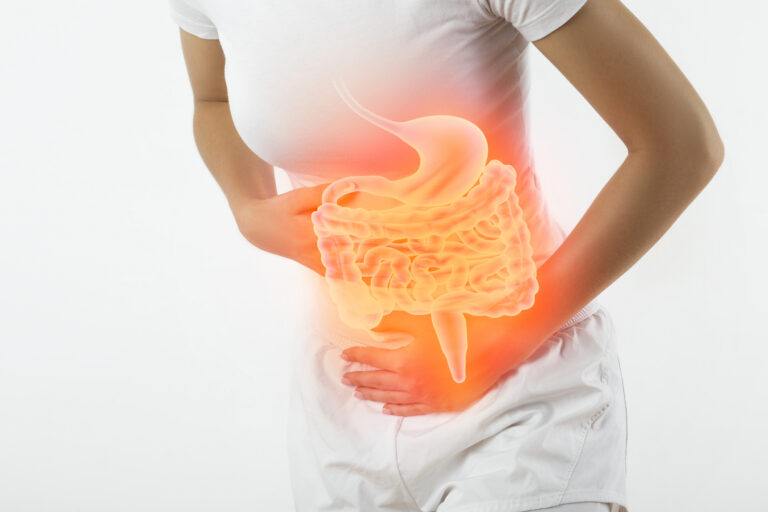
Treating digestive disorders: constipation and diarrhoea

Digestive disorders such as constipation and diarrhoea are among the most common health problems, affecting people of all ages and backgrounds. Although they are often seen as temporary inconveniences, these conditions can sometimes point to serious health problems and significantly affect everyday life.

Read more
Back to top